
Hey there! As a glass block supplier, I've always been fascinated by the history of these versatile building materials. Glass blocks have come a long way from their humble beginnings, and today, they're used in a wide range of applications, from modern architecture to interior design. So, let's take a journey through time and explore the story of glass blocks.
Early Beginnings
The history of glass dates back thousands of years, but the concept of glass blocks as we know them today didn't emerge until the late 19th century. The earliest forms of glass were used primarily for decorative purposes, such as making jewelry and small objects. It wasn't until the development of industrial glassmaking techniques that larger, more functional glass pieces could be produced.
In the late 1800s, inventors began experimenting with ways to create hollow glass blocks that could be used for building purposes. These early glass blocks were relatively simple in design, often consisting of two flat glass sheets fused together at the edges to create a hollow center. The hollow design provided insulation and allowed light to pass through while maintaining privacy.
The Rise of Glass Block Architecture
The early 20th century saw a significant increase in the use of glass blocks in architecture. Architects and designers were drawn to the unique properties of glass blocks, such as their ability to transmit light, provide insulation, and add a modern aesthetic to buildings. Glass blocks were used in a variety of structures, including commercial buildings, schools, and residential homes.
One of the most notable examples of early glass block architecture is the Bauhaus Dessau, a famous school of design and architecture in Germany. Built in the 1920s, the Bauhaus Dessau featured large glass block walls that allowed natural light to flood the interior spaces. This innovative use of glass blocks helped to establish the material as a symbol of modernism and forward-thinking design.
Mid-Century Modernism
The mid-20th century was a golden age for glass block architecture. During this period, glass blocks became even more popular, thanks in part to the rise of mid-century modernism. Architects and designers embraced the clean lines, geometric shapes, and use of industrial materials that were characteristic of this style, and glass blocks fit right in.
Glass blocks were used in a variety of creative ways during the mid-century modern era. They were often used to create partitions, room dividers, and decorative accents in homes and commercial buildings. In addition, glass blocks were used in the construction of swimming pools, saunas, and other recreational facilities, where their waterproof and light-transmitting properties made them an ideal choice.

Decline and Revival
Despite their popularity in the mid-20th century, glass blocks fell out of favor in the latter half of the century. The rise of other building materials, such as concrete and steel, and the changing tastes in architecture led to a decline in the use of glass blocks. However, in recent years, there has been a renewed interest in glass blocks, thanks in part to the growing trend of sustainable and energy-efficient design.
Today, glass blocks are being used in a wide range of modern applications. They are often used in contemporary architecture to create unique and visually striking facades, partitions, and interior features. In addition, glass blocks are being used in green building projects, where their insulation properties and ability to transmit natural light help to reduce energy consumption.
Modern Applications
In modern architecture and design, glass blocks have found a new lease on life. They are used in a variety of applications, from commercial buildings to residential homes. Here are some of the most common modern uses of glass blocks:
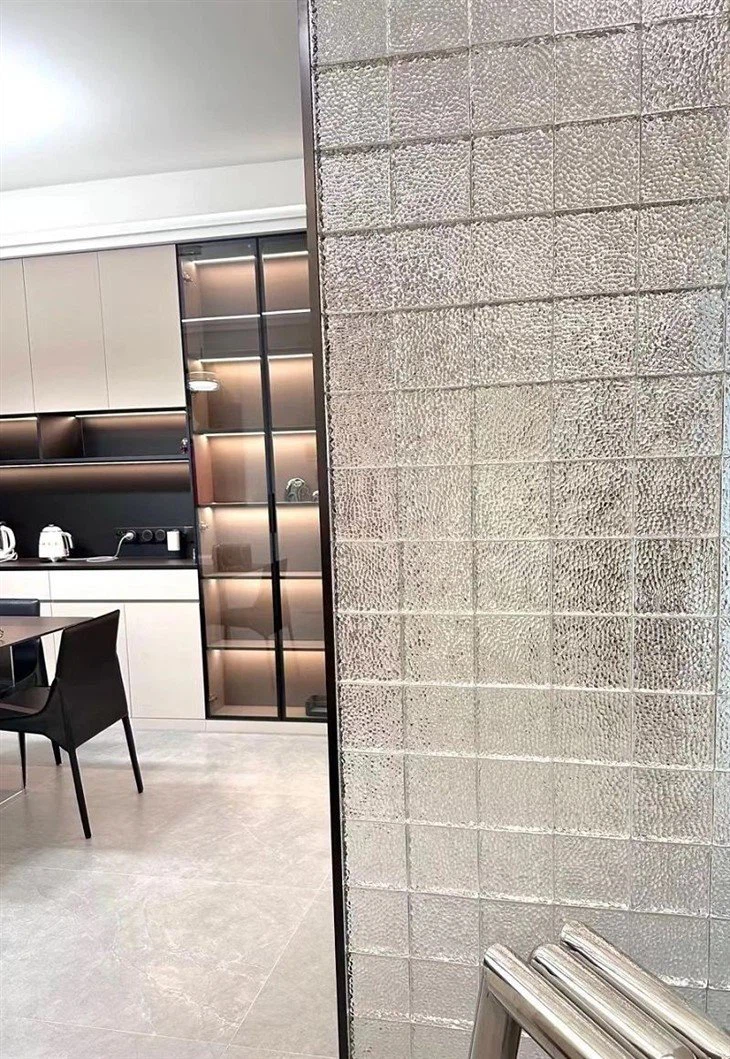
- Interior Design: Glass blocks are a popular choice for interior designers who want to add a touch of style and functionality to a space. They can be used to create partitions, room dividers, backsplashes, and decorative accents. For example, a Glass Brick Wall can be used to separate a dining area from a living room while allowing light to pass through, creating an open and airy feel.
- Facade Design: Glass blocks are also used in facade design to create unique and visually striking building exteriors. They can be used to add texture, pattern, and color to a building's facade, making it stand out from the surrounding structures. In addition, glass blocks can help to reduce energy consumption by providing insulation and allowing natural light to enter the building.
- Bathroom Design: Glass blocks are a popular choice for bathroom design because they provide privacy while allowing light to pass through. They can be used to create shower enclosures, walls, and partitions, adding a modern and stylish touch to the bathroom.
- Landscape Design: Glass blocks can also be used in landscape design to create unique and functional features. They can be used to create retaining walls, planters, and lighting fixtures, adding a touch of modernity to outdoor spaces.
Why Choose Glass Blocks?
As a glass block supplier, I often get asked why someone should choose glass blocks for their next project. Here are some of the key benefits of using glass blocks:
- Light Transmission: Glass blocks allow natural light to pass through, making them an ideal choice for spaces that need to be well-lit. They can help to reduce energy consumption by providing daylighting, which can also have a positive impact on mood and productivity.
- Insulation: Glass blocks provide excellent insulation, helping to keep buildings warm in the winter and cool in the summer. This can help to reduce energy costs and make buildings more energy-efficient.
- Privacy: Glass blocks can provide privacy while still allowing light to pass through. They are available in a variety of patterns and textures, which can be used to control the amount of visibility through the glass.
- Durability: Glass blocks are highly durable and resistant to damage. They are also easy to clean and maintain, making them a practical choice for both residential and commercial applications.
- Aesthetics: Glass blocks come in a variety of shapes, sizes, and colors, allowing for endless design possibilities. They can add a modern and stylish touch to any space, whether it's a contemporary home or a commercial building.
Contact Us for Your Glass Block Needs
If you're interested in using glass blocks for your next project, I'd love to hear from you. As a glass block supplier, I have a wide range of glass blocks available, including different shapes, sizes, and colors. Whether you're an architect, designer, contractor, or homeowner, I can help you find the perfect glass blocks for your needs.
We offer competitive pricing, high-quality products, and excellent customer service. Our team of experts can also provide you with design ideas and installation tips to ensure that your glass block project is a success. So, don't hesitate to contact us today to discuss your glass block requirements and get a free quote.
References
- "A History of Glass." Corning Museum of Glass.
- "The Bauhaus Dessau: A Icon of Modern Architecture." Architectural Digest.
- "Mid-Century Modern Architecture: A Guide to the Style." House Beautiful.
- "The Revival of Glass Block Architecture." ArchDaily.