
What is the difference between hollow and solid glass blocks?
As a supplier of glass blocks, I've had numerous customers inquire about the differences between hollow and solid glass blocks. Understanding these distinctions is crucial for making informed decisions in construction, interior design, and various other applications. In this blog post, I'll delve into the characteristics, advantages, and disadvantages of both types of glass blocks to help you choose the most suitable option for your project.

Physical Structure and Composition
The most obvious difference between hollow and solid glass blocks lies in their physical structure. Solid glass blocks are made entirely of glass, with a uniform density throughout the block. They are typically cast or molded from molten glass, resulting in a dense and sturdy material. On the other hand, hollow glass blocks consist of two glass sheets that are sealed together to form an airtight chamber in the middle. This chamber can be filled with air or an inert gas, such as argon, to enhance insulation properties.
Insulation Properties
One of the primary reasons for choosing glass blocks is their insulation capabilities. Hollow glass blocks have a significant advantage in this regard due to the air or gas-filled chamber between the two glass sheets. This chamber acts as a thermal barrier, reducing heat transfer and improving energy efficiency. As a result, buildings with hollow glass block walls require less energy for heating and cooling, leading to lower utility bills. In contrast, solid glass blocks have a higher thermal conductivity, meaning they transfer heat more easily. While they still provide some insulation, it is not as effective as that of hollow glass blocks.
Sound Insulation
In addition to thermal insulation, sound insulation is another important consideration, especially in noisy environments or areas where privacy is desired. Hollow glass blocks excel in this area as well. The air or gas-filled chamber acts as a buffer, absorbing and dampening sound waves. This makes them an excellent choice for partitions, walls, and windows in commercial buildings, schools, hospitals, and residential properties. Solid glass blocks, while they do offer some sound insulation, are not as effective as hollow glass blocks due to their solid structure.
Strength and Durability
Solid glass blocks are known for their strength and durability. They are less likely to break or crack under pressure, making them suitable for load-bearing applications. They can withstand heavy impacts and are resistant to scratches and abrasions. Hollow glass blocks, on the other hand, are more fragile. The air or gas-filled chamber makes them more susceptible to damage from impacts or sudden changes in temperature. However, modern manufacturing techniques have improved the strength of hollow glass blocks, and they are now available in various thicknesses and configurations to meet different requirements.
Aesthetic Appeal
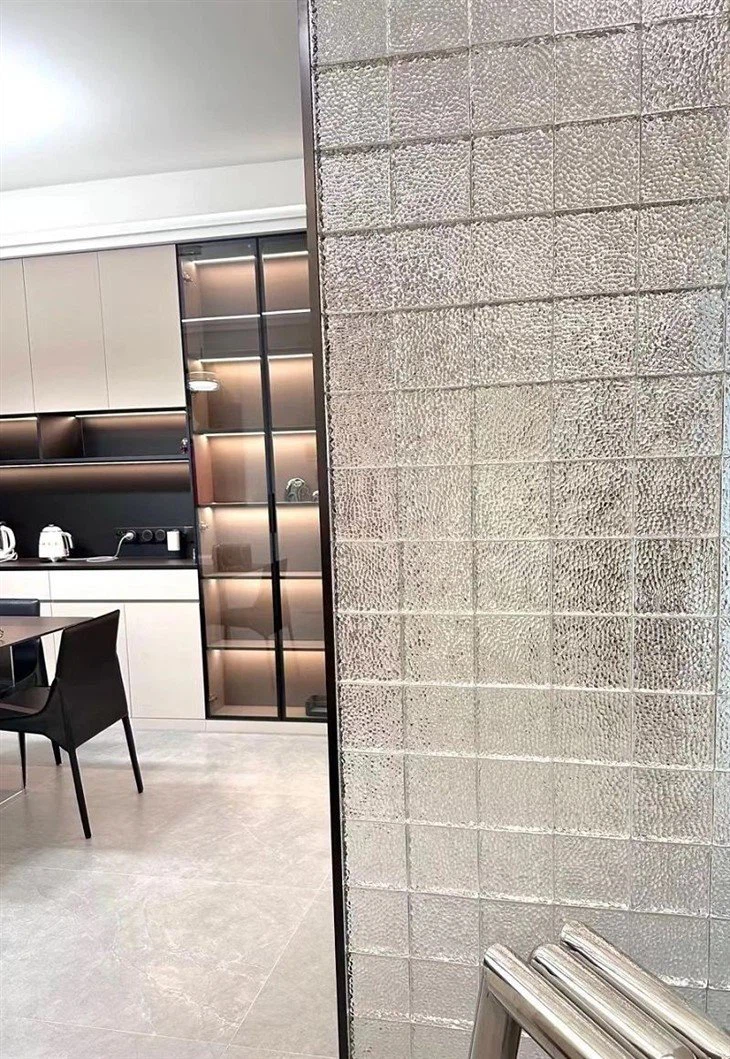
Both hollow and solid glass blocks offer unique aesthetic qualities that can enhance the visual appeal of any space. Solid glass blocks have a smooth, uniform surface that provides a classic and elegant look. They are available in a variety of colors, finishes, and patterns, allowing for endless design possibilities. Hollow glass blocks, on the other hand, create a sense of depth and transparency. The air or gas-filled chamber gives them a lighter, more ethereal appearance, making them ideal for creating a bright and airy atmosphere. They can also be used to create interesting visual effects, such as light diffusion and reflection.
Cost
Cost is always a factor when choosing building materials. Solid glass blocks are generally more expensive than hollow glass blocks. This is due to the higher cost of raw materials and the manufacturing process. However, the cost difference may vary depending on the size, thickness, and quality of the glass blocks. It's important to consider the long-term benefits of each type of glass block, such as energy savings and durability, when making a cost comparison.
Applications
The choice between hollow and solid glass blocks depends on the specific application and requirements of your project. Here are some common applications for each type:
-
Solid Glass Blocks:
- Load-bearing walls and partitions
- Flooring and stairs
- Decorative elements, such as columns and pillars
- Fire-rated partitions and barriers
-
Hollow Glass Blocks:
- Non-load-bearing walls and partitions
- Windows and skylights
- Interior design features, such as backsplashes and room dividers
- Soundproofing and insulation applications
Conclusion
In conclusion, both hollow and solid glass blocks have their own unique characteristics, advantages, and disadvantages. The choice between the two depends on several factors, including insulation requirements, strength, durability, aesthetic appeal, and cost. As a glass block supplier, I can help you determine the most suitable type of glass block for your project based on your specific needs and preferences. Whether you're looking for a classic and elegant look or a modern and innovative design, we have a wide range of glass blocks to choose from.
If you're interested in learning more about our glass block products or have any questions, please [contact us](insert contact link). Our team of experts is ready to assist you with your project and provide you with the highest quality glass blocks at competitive prices. Let's work together to create a beautiful and functional space with glass blocks.
References
- Glass Block Association. (Year). Glass Block Handbook.
- Building Codes and Standards. (Year). National Building Code.
- Glass Manufacturer's Technical Data Sheets. (Year). [Manufacturer Name] Glass Blocks.