

Do glass blocks reduce noise?
As a glass block supplier, I often get asked this question by customers who are considering using glass blocks in their construction or renovation projects. The short answer is yes, glass blocks can significantly reduce noise, but to understand how and why, let's delve deeper into the science and practical aspects.
The Science Behind Noise Reduction
Noise is essentially the vibration of air molecules that our ears perceive as sound. When it comes to reducing noise, we need to understand two main concepts: sound absorption and sound insulation.
Sound absorption refers to the ability of a material to convert sound energy into heat energy. Materials with porous structures, like acoustic foams, are excellent at sound absorption. Glass blocks, on the other hand, are not great absorbers because they have a smooth and non - porous surface. However, they excel in sound insulation.
Sound insulation is about preventing sound from passing through a material. It is measured in decibels (dB), and the higher the dB rating, the better the insulation. Glass blocks achieve good sound insulation due to their mass and structure. A single glass block is made of thick glass, which has a relatively high mass compared to many other building materials. According to research, a single glass block can have a sound transmission class (STC) rating of around 30 - 35 dB. When multiple glass blocks are used to build a wall, the STC rating can increase significantly.
A typical glass block wall, especially one that is properly installed with mortar joints and a solid frame, can have an STC rating of 40 - 50 dB. To put this into perspective, a normal conversation is around 60 dB, and a quiet library is about 40 dB. So, a well - constructed glass block wall can effectively reduce the noise from outside to a level that is comparable to a quiet indoor environment.
Real - World Applications
Let's look at some real - world scenarios where glass blocks have been used to reduce noise.
In urban areas, where traffic noise is a constant problem, glass blocks can be used to build facades for residential buildings. For example, in a busy city street, a house with a glass block wall on the front can create a much quieter living environment inside. The thick glass blocks act as a barrier, preventing the majority of traffic noise from entering the house.
In commercial settings, such as restaurants, glass blocks can be used to create partitions or even exterior walls. A Glass Brick Wall can not only add an aesthetic touch but also reduce the noise from the kitchen or the street outside. This allows diners to enjoy a more peaceful dining experience.
Factors Affecting Noise Reduction
While glass blocks are effective at reducing noise, several factors can affect their performance.
Installation Quality: A poorly installed glass block wall will have gaps and weak joints, which can allow sound to leak through. It is crucial to ensure that the glass blocks are properly installed with high - quality mortar and a strong frame. Any small gaps can significantly reduce the noise - reduction capabilities of the wall.
Wall Thickness: Generally, the thicker the glass block wall, the better the noise reduction. A double - layer glass block wall will provide more insulation than a single - layer wall. However, this also needs to be balanced with the space available and the overall design requirements.
Surrounding Materials: The materials used around the glass block wall can also impact noise reduction. For example, if the wall is installed next to a highly reflective surface, sound waves may bounce off and still enter the space. Using sound - absorbing materials in the vicinity can enhance the overall noise - reduction effect.
Advantages of Using Glass Blocks for Noise Reduction
Apart from their noise - reduction capabilities, glass blocks offer several other advantages.
Aesthetic Appeal: Glass blocks come in a variety of shapes, sizes, and colors. They can add a modern and stylish look to any building. Whether it's a contemporary home or a trendy commercial space, glass blocks can be used to create unique and eye - catching designs.
Natural Light: Glass blocks allow natural light to enter the space while still providing privacy. This is especially useful in areas where you want to let in light but don't want people to see inside. In a bathroom or an office, for example, a glass block wall can bring in sunlight without sacrificing privacy.
Durability: Glass blocks are very durable and can withstand wear and tear. They are resistant to moisture, fire, and pests, making them a long - lasting solution for noise reduction and other building needs.
Disadvantages and Considerations
Cost: Glass blocks can be more expensive than some other building materials. The cost includes not only the blocks themselves but also the installation, which requires skilled labor. However, considering their long - term benefits, the investment can be worthwhile.
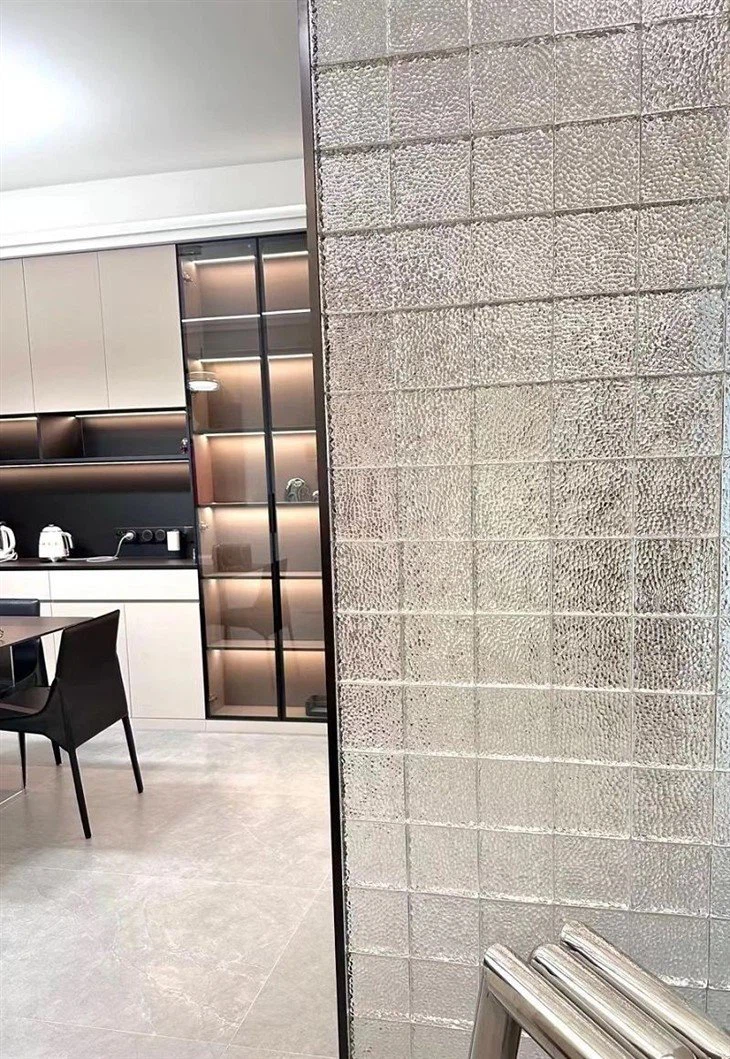

Limited Design Flexibility: While glass blocks offer some design options, they may not be as flexible as other materials in terms of complex shapes and curves. This needs to be taken into account when planning a project.
Conclusion
In conclusion, glass blocks are an effective solution for reducing noise. Their ability to provide sound insulation, combined with their aesthetic appeal, natural light - transmission, and durability, makes them a great choice for many construction and renovation projects. Whether you are building a new home, a commercial space, or just looking to improve the acoustic environment in an existing building, glass blocks can be a valuable addition.
If you are interested in using glass blocks for your project and want to discuss the noise - reduction capabilities, as well as other aspects such as design and installation, I would be more than happy to assist you. Contact me to start a conversation about your specific needs and how glass blocks can meet them.
References
- "Building Acoustics" by Cyril M. Harris.
- "Handbook of Noise Control" by Leo L. Beranek.