
When considering the design elements for a traditional - style home, one might initially think of materials like wood, stone, and brick. However, in recent years, glass blocks have emerged as an innovative and eye - catching option. As a glass block supplier, I've been closely observing this trend and have often been asked: Are glass blocks suitable for a traditional - style home? Let's dive deep into this question.

Aesthetic Harmony with Traditional Styles
Traditional homes often rely on classic architectural features, such as pitched roofs, symmetrical facades, and decorative moldings. Glass blocks, with their unique aesthetic, can either enhance or disrupt this traditional appeal, depending on how they are used.
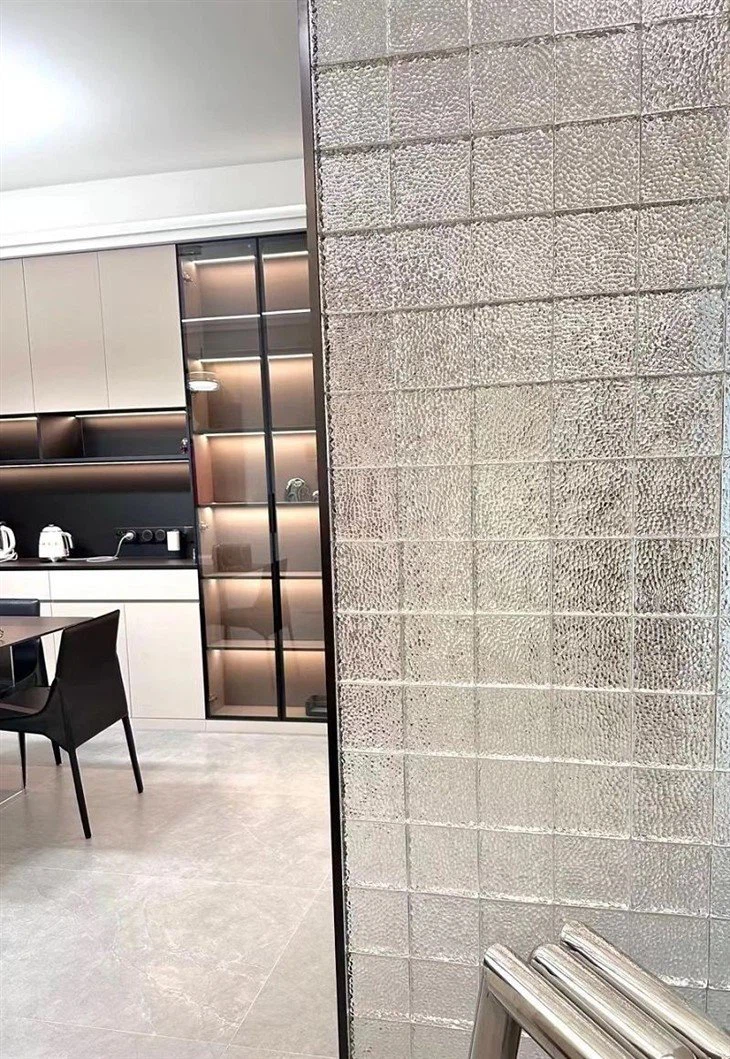
One of the remarkable aspects of glass blocks is their ability to introduce a touch of modernity while still respecting the overall charm of a traditional home. Optically, they can play a role similar to stained - glass windows in historic buildings. Stained - glass windows were used in traditional architecture to add color, light, and artistry. Similarly, glass blocks can bring in an exquisite play of light, which adds a unique dimension to a room. For instance, frosted glass blocks can filter sunlight gently, creating a soft, diffused glow that is reminiscent of the warm afternoon light filtering through old - fashioned lace curtains. When placed in a sunroom or a breakfast nook, they can create a cozy and inviting atmosphere, much like a traditional gathering space.
Moreover, the geometric shapes of glass blocks, usually squares or rectangles, can align well with the structured lines found in traditional architecture. These clean lines can complement the symmetry often seen in traditional homes. If used in a fireplace surround or as a partition in an entryway, glass blocks can add an interesting visual element without overwhelming the traditional design. They can serve as a subtle yet effective way to break up large, solid walls and add a bit of intrigue.
Functional Advantages in a Traditional Setting
Beyond aesthetics, glass blocks offer several functional benefits that make them a practical choice for traditional - style homes.
Light and Privacy
In traditional homes, privacy is often a concern, especially in areas like bathrooms or bedrooms. Glass blocks provide an excellent solution. They allow natural light to enter a room while obscuring the view from the outside. This is particularly useful in bathrooms where one wants to maintain a sense of openness and brightness without sacrificing privacy. Unlike traditional curtains or blinds, glass blocks are a permanent fixture that requires little maintenance and still offer the desired level of privacy.
Insulation
Traditional homes may sometimes struggle with energy efficiency due to older building materials. Glass blocks, however, can contribute to better insulation. They are made of thick glass panels with air pockets in between, which act as insulators. This helps to keep the home warm in the winter and cool in the summer, reducing energy costs associated with heating and cooling. In a traditional home, where preserving historical character is important, using glass blocks can be a smart way to improve energy efficiency without major structural changes.
Sound Insulation
If your traditional home is located near a noisy street or area, glass blocks can be a great addition. They have good sound - dampening properties, which can help to create a quieter and more peaceful living environment. A study by the National Building Research Institute found that glass block walls can reduce noise transmission by up to 40 decibels, making them an effective barrier against external noise sources.
Installation Considerations
When it comes to installing glass blocks in a traditional - style home, several factors need to be considered to ensure a successful integration.
First of all, the placement of glass blocks is crucial. They should be installed in areas where they won't clash with the existing traditional design. For example, using them in a modern - style addition to a traditional home can be a great way to create a visual contrast without disrupting the overall aesthetic. If you want to use them in the main part of the house, such as in a living room or hall, it's essential to choose a design that complements the existing decor.
Another aspect is the color and finish of the glass blocks. For a traditional - style home, neutral colors like white, clear, or light gray often work best as they can blend in seamlessly with the surroundings. Frosted or textured finishes can add a subtle touch of elegance and are more in line with the traditional design sensibilities.
Case Studies
There are numerous successful examples of glass blocks being used in traditional - style homes. Take, for instance, a Victorian - era home in the suburbs. The owners decided to install Glass Brick Wall in the side - entrance porch. The frosted glass blocks allowed natural light to fill the space while maintaining privacy. The geometric pattern of the blocks also complemented the ornate woodwork and moldings commonly found in Victorian homes. As a result, the porch became a more inviting and well - lit area, enhancing the overall curb appeal of the house.
In another case, a Colonial - style home incorporated glass blocks in the bathroom. The clear glass blocks with a smooth finish were used to create a shower enclosure. The way the light passed through the blocks added a touch of modern luxury to the traditional - style bathroom, making it a more appealing and functional space.
Drawbacks and Mitigation
Of course, like any building material, glass blocks also have some drawbacks, especially when used in a traditional - style home.
One potential issue is the high upfront cost. Glass blocks can be more expensive than traditional building materials such as standard bricks or drywall. However, considering their long - term benefits such as energy savings and durability, the initial investment can be offset over time.
Another concern is the limited design flexibility compared to other materials. Glass blocks come in pre - formed shapes and sizes, which may limit the design options. To mitigate this, you can work with an experienced designer who can come up with creative ways to incorporate glass blocks into the traditional design. For example, combining glass blocks with other materials like wood or stone can create a more diverse and interesting look.
Conclusion
In conclusion, glass blocks can indeed be a suitable choice for a traditional - style home. They offer a unique blend of aesthetics and functionality, from adding a modern touch while respecting traditional charm to providing benefits like light control, insulation, and soundproofing. However, careful consideration must be given to their installation, placement, and design to ensure they fit seamlessly into the existing traditional architecture.
If you're thinking about using glass blocks in your traditional - style home, I encourage you to reach out. As a glass block supplier, I have a wide range of options available, from different colors and finishes to various shapes and sizes. I'm more than happy to discuss how glass blocks can be integrated into your home design and offer professional advice on installation and maintenance. Start a conversation with me today to explore the possibilities of enhancing your traditional - style home with glass blocks.
References
- National Building Research Institute. "Sound - Reduction Properties of Glass Block Walls." Building Materials Journal, Vol. 15, Issue 2, 2020.
- Architectural Digest. "Innovative Uses of Glass Blocks in Residential Design." 2021.
- Home Design Magazine. "Traditional Homes with a Modern Twist: Glass Block Integration." Vol. 8, Issue 3, 2022.