

As a long - time supplier of glass blocks, I've received numerous inquiries about the durability of glass blocks, especially regarding their susceptibility to scratching. In this blog post, I'll delve into the science behind glass block scratching, explore factors that influence it, and offer practical advice on maintaining the pristine appearance of glass blocks.
The Composition and Structure of Glass Blocks
To understand whether glass blocks are prone to scratching, we first need to examine their composition. Glass blocks are typically made from soda - lime glass, which is a common type of glass used in many applications due to its relatively low cost and ease of manufacturing. Soda - lime glass is composed mainly of silica (sand), soda ash (sodium carbonate), and limestone (calcium carbonate). These raw materials are melted together at high temperatures and then formed into blocks.

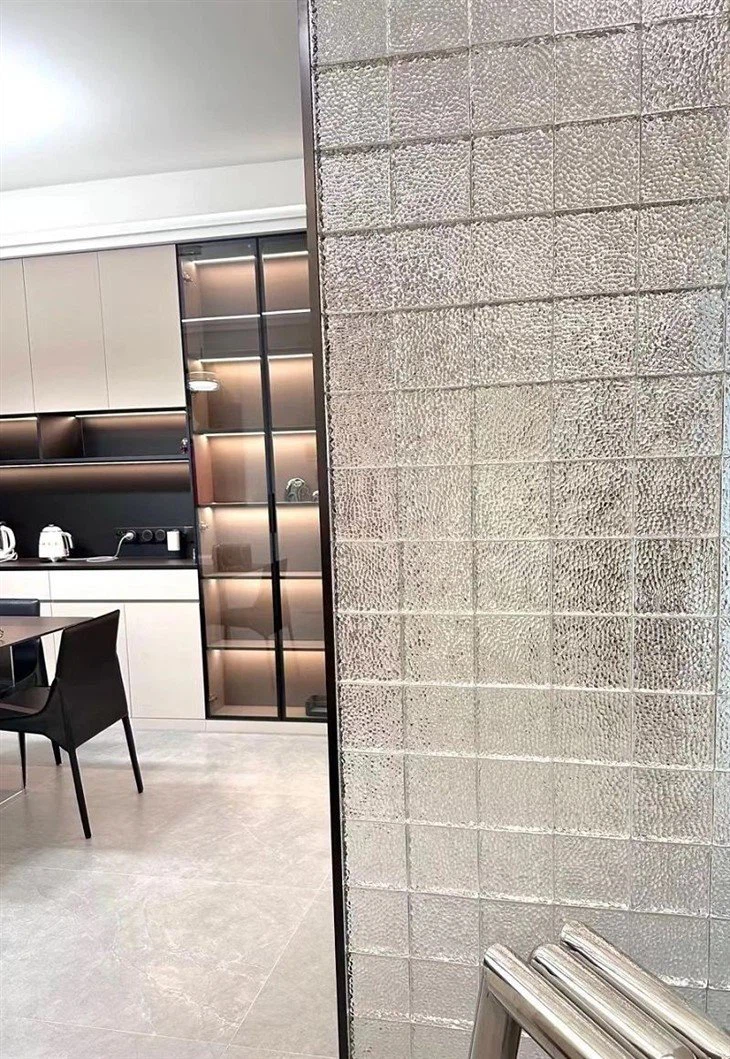
The surface of a glass block has a certain hardness, which is a measure of its resistance to scratching. On the Mohs scale of mineral hardness, soda - lime glass has a hardness of around 5.5. This means that substances with a higher Mohs hardness can potentially scratch the glass. For example, quartz, which has a hardness of 7 on the Mohs scale, can scratch soda - lime glass. Common household items like sand (which contains quartz) and some metal objects can also pose a scratching risk if they come into contact with the glass block surface.
Factors Influencing Scratching of Glass Blocks
1. Contact with Abrasive Materials
One of the primary factors that can lead to scratching is contact with abrasive materials. As mentioned earlier, sand is a common abrasive. If glass blocks are installed in an area where sand is frequently present, such as near a beach or in a construction site, there is a higher risk of scratching. Similarly, using abrasive cleaning agents or scrubbing pads on the glass block surface can cause scratches. For instance, scouring powders that contain small abrasive particles can leave fine scratches on the glass over time.
2. Installation and Handling
During the installation and handling process, glass blocks can be scratched if not properly protected. Sharp tools or rough handling can cause surface damage. For example, if a worker uses a metal tool to position the glass blocks without taking precautions, it may scratch the surface. Additionally, improper storage of glass blocks can also lead to scratching. If glass blocks are stacked on top of each other without proper padding, the edges and surfaces can rub against each other, resulting in scratches.
3. Environmental Conditions
The environment in which glass blocks are installed can also affect their susceptibility to scratching. In areas with high levels of dust or debris, the glass block surface is more likely to be exposed to abrasive particles. For example, in industrial areas or along busy roads, the constant presence of dust and fine particles can gradually scratch the glass over time. Extreme temperature changes can also have an impact. Rapid expansion and contraction of the glass due to temperature variations can make the surface more brittle and potentially more prone to scratching.
How to Minimize Scratching of Glass Blocks
1. Proper Installation and Handling
When installing glass blocks, it is crucial to take proper precautions. Use soft - edged tools and protective padding to prevent scratches during the installation process. Workers should wear gloves to avoid leaving fingerprints or scratches from their hands. Additionally, ensure that the glass blocks are stored in a clean and dry environment, away from sharp objects and abrasive materials.
2. Regular Cleaning with Appropriate Products
To keep glass blocks clean without scratching them, use non - abrasive cleaning products. Mild dish soap and water are often sufficient for regular cleaning. Soft microfiber cloths or sponges should be used to wipe the glass surface. Avoid using abrasive scrubbers, steel wool, or scouring powders. When cleaning, gently wipe the glass in a circular motion to remove dirt and grime.
3. Protection in High - Risk Areas
In areas where there is a higher risk of scratching, such as near a construction site or a sandy beach, consider installing protective barriers. For example, you can use a clear plastic film or a protective screen to shield the glass blocks from abrasive particles. This can significantly reduce the risk of scratching while still allowing the glass blocks to perform their aesthetic and functional roles.
Real - World Applications and Scratching Resistance
Glass blocks are used in a wide range of applications, from residential bathrooms to commercial buildings. In residential settings, glass blocks are often used to create Glass Brick Wall in bathrooms or as decorative elements in living rooms. In these relatively controlled environments, the risk of scratching can be managed effectively with proper care and maintenance.
In commercial applications, such as restaurants or office buildings, glass blocks can be used to create partitions or facades. While these areas may have more foot traffic and potential for contact with abrasive materials, the proper installation and regular maintenance can still keep the glass blocks looking great. For example, in a restaurant, regular cleaning and avoiding the use of abrasive cleaning agents can prevent scratching of the glass block partitions.
Conclusion
So, are glass blocks prone to scratching? The answer is that while glass blocks are not completely immune to scratching, with proper care and attention, the risk can be minimized. Their composition and structure make them susceptible to scratching by substances with a higher Mohs hardness, but factors such as installation, handling, and environmental conditions also play a significant role.
If you are considering using glass blocks in your project, whether it's a residential renovation or a commercial construction, I encourage you to reach out to me. As a trusted glass block supplier, I can provide you with high - quality glass blocks and offer expert advice on installation, maintenance, and protection. Contact me to start a discussion about your glass block needs and explore the various options available to you.
References
- "The Chemistry of Glass" by John A. Schreifels
- "Glass Technology Handbook" edited by W. A. Weyl and Charles B. Lippencott